Dental Crowns for Front Teeth: Aesthetic Solutions That Work
Front teeth live under a harsher spotlight than almost any other part of the mouth. They shape a smile, carry speech sounds, support the lips, and draw immediate attention in conversation. When one of those teeth is cracked, heavily filled, worn down, or discolored beyond what whitening can fix, the repair has to do more than survive biting forces. It has to disappear into the smile.
That is where Dental Crowns can be remarkably effective, provided the case is chosen well and the details are handled carefully. A front tooth crown is not simply a cap placed over a damaged tooth. It is a restoration that must balance strength, translucency, surface texture, gum harmony, and bite. Done well, it looks unremarkable in the best possible way. Done poorly, it can look opaque, too long, too bulky, too gray at the margin, or slightly “off” in a way that people notice without knowing why.
Patients often arrive assuming that front tooth crowns are all the same. They are not. The material matters. The shape matters. The shade selection matters. The condition of the underlying tooth matters. Even the time of day can matter, since dehydration during a dental visit can temporarily make teeth look lighter than they normally do. In practice, success comes from small decisions made well.
Why front teeth are a different kind of restorative challenge
A crown on a back molar can succeed for years while looking merely acceptable. A crown on a central incisor has a much narrower margin for error. Front teeth sit in direct view, and natural enamel in that area has subtle optical qualities. Light passes through it, scatters, reflects from deeper layers, and creates a sense of depth that solid, opaque materials struggle to mimic.
There is also asymmetry in real smiles, but it is controlled asymmetry. The two front central incisors may look like twins from a distance, yet on close inspection one often has a slightly different line angle, a tiny craze line, or a marginal ridge that catches light differently. A crown that is too mathematically perfect can look artificial. A crown that ignores neighboring teeth can stand out for the wrong reasons.
Then there is the gumline. The eye often reads the pink frame around the tooth before it reads the actual shade. If the crown margin sits in the wrong place, or if the soft tissue is inflamed from a poor contour, the restoration can look unnatural even when the ceramic itself is beautiful.
When a crown is the right answer, and when it is not
Not every front tooth problem needs a crown. In many cases, a more conservative option serves the patient better. A small chip may be restored with bonding. Moderate discoloration can sometimes respond to internal bleaching or a veneer. But when the tooth has lost too much structure, when there is a large old filling, or when a crack compromises the integrity of the tooth, a crown often becomes the most predictable long-term choice.
A typical example is a front tooth that had a root canal years ago and has gradually darkened. If that tooth also has a large filling and thin remaining walls, a crown may provide both reinforcement and cosmetic improvement. Another common case is trauma. Someone slips, catches a front tooth on a countertop, and ends up with a fracture that involves more than the edge. If enough enamel is gone, a crown can restore form and function more reliably than repeated bonding repairs.
Still, restraint matters. One of the most frequent disappointments in aesthetic dentistry happens when a tooth that could have been treated conservatively is prepared aggressively for a crown. Once enamel is removed, it does not grow back. Good treatment planning starts with the least invasive option likely to last.
What makes a front tooth crown look natural
Patients usually ask about shade first, but shade is only one piece of the result. A natural-looking front crown depends on several features working together:
- color that matches both the brightness and the internal character of neighboring teeth
- translucency at the edge, especially if adjacent teeth are youthful and not heavily worn
- contour that supports the lip without looking bulky
- surface texture that reflects light similarly to the natural teeth nearby
- margin placement that respects the gumline and avoids a visible seam
That list looks straightforward on paper. In reality, each point interacts with the others. A crown that is the right shade can still appear too bright if the surface is too smooth. A crown with excellent translucency can look gray if the underlying tooth stump is dark and the material is too thin. A tooth can be beautifully made in the laboratory but still fail aesthetically if the temporary crown allowed the gum tissue to collapse before the final delivery.
These are the details that separate a restoration that passes casual inspection from one that truly blends in.
Material choices: why all ceramic is usually the first conversation
For front teeth, all-ceramic crowns are often the leading option because they transmit light more like natural enamel than older metal-based designs. Within that category, there are important differences. Lithium disilicate, often recognized by brand names patients may hear in the office, offers an excellent blend of aesthetics and adequate strength for many front tooth situations. Layered ceramics can produce exceptional depth and lifelike characterization, though technique sensitivity is higher. Zirconia, particularly newer translucent versions, has expanded the options where strength is a major concern, though it still requires careful case selection when the highest level of optical realism is the goal.
Porcelain fused to metal crowns can function well, and many have lasted for years. The issue is aesthetic limitation. Even when skillfully made, they may show a darker band near the gum as tissues recede over time. They can also lack the same light transmission as modern all-ceramic alternatives. On a lower-profile tooth or in a patient with low smile display, they may still be serviceable, but they are rarely the first choice when appearance is the main priority.
The underlying tooth color is a major factor in material selection. If the tooth underneath is very dark, such as after trauma or prior endodontic treatment, a highly translucent ceramic may let too much of that darkness show through. In that situation, the dentist and ceramist may choose a slightly more masking material or adjust the preparation and bonding plan to control the final value and hue.
The shade match is more art than people expect
Patients sometimes imagine that a crown shade is chosen by holding a tab next to the tooth for a few seconds. That is still part of the process, but the better results usually involve much more. Experienced clinicians look at value first, meaning how light or dark the tooth appears overall. Value errors are often more noticeable than small mistakes in hue. If a front crown is even a little too bright, the eye catches it immediately.
Digital shade photography has improved communication, especially when multiple images are taken under consistent lighting and with shade tabs included in frame. Some practices use advanced color-matching devices, which can be helpful, but they do not replace judgment. Teeth are not flat paint chips. They have varying opacity from gumline to edge, subtle warm or cool zones, and tiny surface characteristics that affect perception.
There is also a practical problem many patients do not anticipate: a single crown has to match teeth that may themselves be imperfect, worn, stained, or unevenly bleached. Sometimes the best route is to whiten first, allow the color to stabilize, and then make the crown to the new baseline. Other times a patient wants one front crown replaced, but the neighboring central incisor has a large area of old bonding and a slightly different shade. In that case, aiming for a perfect textbook tooth may actually make the crown stand out more. Harmony matters more than theoretical ideal.
Temporary crowns quietly shape the final result
Temporary restorations are often treated as a brief stopgap, but for front teeth they can be crucial. A well-made temporary crown protects the prepared tooth, lets the patient function comfortably, and, most importantly, guides the soft tissue and tests the shape before the final ceramic is made or adjusted.
If a patient says, “This feels too long,” or “I whistle on my S sounds now,” that feedback is valuable. Minor changes in incisal edge length or palatal contour can affect speech and comfort. Temporary restorations also reveal whether the design supports the lip naturally or makes the tooth look too prominent.
In cosmetic cases, I have seen patients focus intensely on color while the more significant issue was shape. Once the temporary was refined and the line angles corrected, the final crown looked better even before the exact shade glaze was applied. Shape controls light. Light controls perception. That sequence matters.
The role of the dental laboratory, and why communication changes outcomes
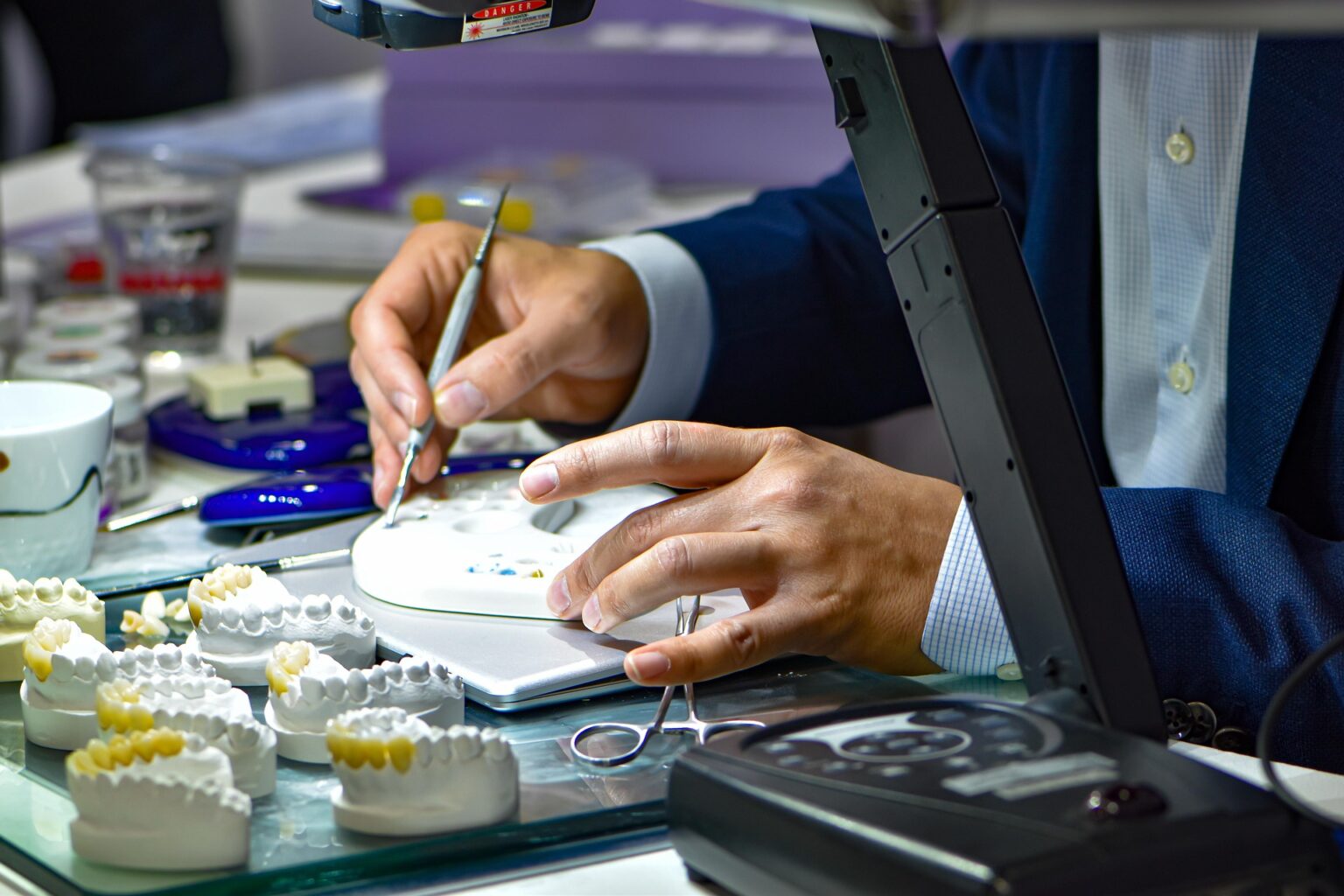
The best front tooth crowns are rarely the work of one person alone. The dentist prepares the tooth, manages the tissue, records the bite, and guides the aesthetic plan. The ceramist interprets that information and creates the restoration. When those two sides communicate well, the result improves.
Good lab communication includes photographs, stump shade information, notes about surface texture, and sometimes a custom shade appointment. In difficult single-front-tooth cases, especially one central incisor, a skilled ceramist can make the difference between acceptable and exceptional. That is not marketing language. It is simply the reality of aesthetic dentistry.
A patient replacing one front crown after an accident often expects a quick, one-visit answer. Same-day systems can be very useful in selected situations, but truly demanding aesthetic cases sometimes benefit from a more deliberate process. A layered ceramic built by an experienced technician, with time for try-in and refinement, often produces a better match than speed-focused workflows.
What the appointment process usually looks like
The clinical sequence for a front crown is usually straightforward, though the details matter. The dentist examines the tooth, reviews X-rays, checks the bite, and discusses material options. If the tooth is healthy enough to support a crown and the patient agrees, the tooth is shaped conservatively to make room for the restoration. Impressions or digital scans are taken, and a temporary crown is placed.
At the final appointment, the dentist evaluates fit, color, contacts, and bite. Front teeth require particularly careful bite adjustment because even slight interference can make a new crown feel prominent or vulnerable. Bonding or cementation follows, depending on the material and the clinical plan.
What patients remember is often simpler. They notice whether the temporary looked reasonable, whether the final crown felt thick, whether the edge length looked familiar in the mirror, and whether the gum settled nicely over the next few weeks. Those are legitimate markers. Technical success is not enough if the smile still feels foreign to the person wearing it.
Common problems, and how they are usually avoided
When front crowns disappoint, the reason is often not the concept of the crown itself but a breakdown in planning or execution. A crown can look too opaque because the wrong material was used. It can look too square because the contour ignored the neighboring tooth. It can irritate the gum because the emergence profile is overbuilt. It can fracture because the bite was not adjusted properly or the patient clenches heavily at night.
Some of the more preventable issues include the following:
- choosing a crown when bonding or a veneer would have preserved more natural tooth
- neglecting stump color, which later causes show-through or a gray appearance
- rushing shade selection under poor lighting or after the tooth has dehydrated
- underestimating parafunctional habits such as clenching, nail biting, or pen chewing
- failing to plan around the adjacent teeth, especially if they also have restorations or discoloration
Each of those mistakes has a practical lesson behind it. Front teeth are not isolated objects. They belong to a facial context, a bite pattern, and a set of patient habits. Restoring them well requires looking at the whole picture.
How long front crowns last, realistically
Patients often ask for a number, and the honest answer is that longevity varies widely. Many front crowns last 10 to 15 years or longer, but that range depends on tooth structure, bite forces, oral hygiene, material choice, and the quality of the original work. A healthy patient with stable gums, careful brushing habits, and no grinding may keep a crown much longer. A patient who clenches, has gum recession, or repeatedly chips incisal edges may need maintenance or replacement sooner.
Front crowns tend to face less raw chewing force than molars, but they are exposed to habits that can be surprisingly destructive. Tearing open packages, biting fingernails, chewing ice, or using teeth as tools can compromise even a well-made restoration. Night grinding is another major factor. Many patients do not realize they clench until they start fracturing fillings, waking with jaw tension, or showing flat wear on the lower front teeth.
A night guard is not a glamorous accessory, but for the right patient it can meaningfully extend the life of front restorations.
Gum health can make or break the cosmetic result
Even the most beautifully crafted crown can look poor if the surrounding tissue is inflamed. Healthy gums frame the tooth with crisp, symmetrical contours. Inflamed gums swell, bleed, and create a puffy margin that distracts from the tooth itself.
This matters before treatment and after it. If a patient begins with active gum disease, the tissues may recede or shift after periodontal therapy, changing how the final crown margin appears. That does not mean treatment should be delayed forever, but it does mean the sequence should be planned carefully. In some cases, stabilizing the gums first prevents aesthetic surprises later.
After placement, flossing technique and margin cleanliness matter. Patients sometimes avoid flossing around a new front crown because they are afraid of damaging it. That hesitation is understandable, but neglect invites plaque buildup, inflammation, and ultimately a less attractive result. Properly cemented or bonded crowns are meant to be cleaned normally Dental Crowns unless the dentist gives a specific temporary instruction.
The cost question, and what patients are really paying for
Front tooth crowns can vary widely in cost depending on geography, materials, laboratory quality, and case complexity. Patients often compare fees as if they are buying identical products. In reality, two crowns can differ in preparation design, imaging, temporary quality, tissue management, ceramic selection, laboratory craftsmanship, and follow-up care.
That does not mean the highest fee always guarantees the best outcome. It does mean that a difficult single front crown, especially on a visible central incisor, is not a good place to shop solely by price. Patients are not just paying for ceramic. They are paying for diagnosis, judgment, communication, and the ability to get the details right.
A useful way to think about value is this: if a restoration will sit at the center of your smile for the next decade or more, precision is not a luxury feature. It is the treatment.
Crowns versus veneers for front teeth
This is one of the most common comparison points, and it deserves a nuanced answer. Veneers are more conservative when the tooth is largely intact and the goal is mainly aesthetic improvement. They can be excellent for color correction, minor shape changes, and closing small spaces. Crowns become more appropriate when the tooth is heavily restored, structurally compromised, root canal treated, or fractured in a way that requires full coverage.
The mistake is treating them as interchangeable. A veneer placed on a tooth that lacks enough sound enamel may fail prematurely. A crown placed on a tooth that only needed a veneer removes more structure than necessary. The right choice depends less on what looks prettier in an advertisement and more on what remains of the actual tooth.
Sometimes the patient’s priorities influence the decision too. If the edge position must be changed significantly, if there is severe discoloration to manage, or if the existing filling pattern undermines predictability, a crown may offer more control. On the other hand, if the tooth is healthy and the issue is mostly cosmetic, preserving enamel usually wins.
Who makes a good candidate for a front tooth crown
The ideal candidate is not simply someone with a damaged front tooth. Good candidates usually have a tooth that genuinely needs full coverage, stable enough gums to support a clean margin, and realistic expectations about what a crown can and cannot do. They understand that a crown can look extremely natural, but it may require careful planning, temporary wear, and possibly coordination with whitening or adjacent restorations.
Patients with uncontrolled grinding, active gum disease, or untreated bite issues can still receive crowns, but those underlying problems need to be addressed as part of the plan. Otherwise, the restoration inherits the same stressors that damaged the tooth in the first place.
One practical sign of a good candidate is willingness to participate in the process. The best aesthetic outcomes often come when patients provide clear feedback about shape, length, and how the tooth looks in different lighting, while still trusting professional guidance on what is biomechanically sound.
Living with a front crown after placement
Most patients adapt quickly, but a few sensations are common in the first days. The tooth may feel slightly different against the lip or when biting into a sandwich. Cold sensitivity can occur briefly if the tooth is still vital and the preparation was substantial. The gum may need a short period to settle around the final contours.
What should not persist is a sense that the tooth hits first every time you bite, or that it feels dramatically thicker than the neighboring tooth. Those are reasons to call the office. Small occlusal or contour refinements can make a large difference in comfort.
From an aesthetic standpoint, patients often scrutinize the crown more than anyone else does. That is normal. Looking at it in every mirror under every light is part of the adjustment period. A well-made front crown should gradually stop attracting attention, even from the person wearing it. That quiet disappearance is usually the clearest sign that the treatment worked.
The aesthetic solution that works is the one planned well
For front teeth, success with Dental Crowns is not about choosing the most expensive ceramic or the trendiest technology. It is about choosing the right treatment for the right tooth, preserving as much healthy structure as possible, and managing the fine points that the eye notices instantly. Material selection, stump color, shape, texture, bite, gum health, and laboratory communication all influence the outcome.
When those pieces align, a front tooth crown does something deceptively simple. It lets the patient smile, speak, and eat without thinking about the tooth anymore. That is the standard worth aiming for, and in experienced hands, it is a standard that can absolutely be met.
Omni Dental Specialty
1690 E Gonzales Rd, Oxnard, CA 93036, United States
+1 805-410-9603
FAQ About Dental Crowns
How long do crowns last on teeth?
A dental crown often lasts about five to fifteen years, although some last longer. Material, the underlying tooth, oral hygiene and grinding habits affect longevity. Regular dental examinations help identify wear, decay or a loose crown; no lifespan is guaranteed.
How much does a tooth crown cost?
There is no single price for every crown. Material, laboratory work, the condition of the tooth and any additional treatment affect the fee. Ask for a written estimate and confirm your insurance benefits, exclusions and out-of-pocket costs before treatment.
What is the downside of crowns on teeth?
A conventional crown usually requires irreversible removal of some tooth structure. Possible problems include sensitivity, chipping, loosening and decay at the crown margin; some teeth later need root canal treatment. Discuss your tooth's condition, material choices and suitable alternatives with your dentist.